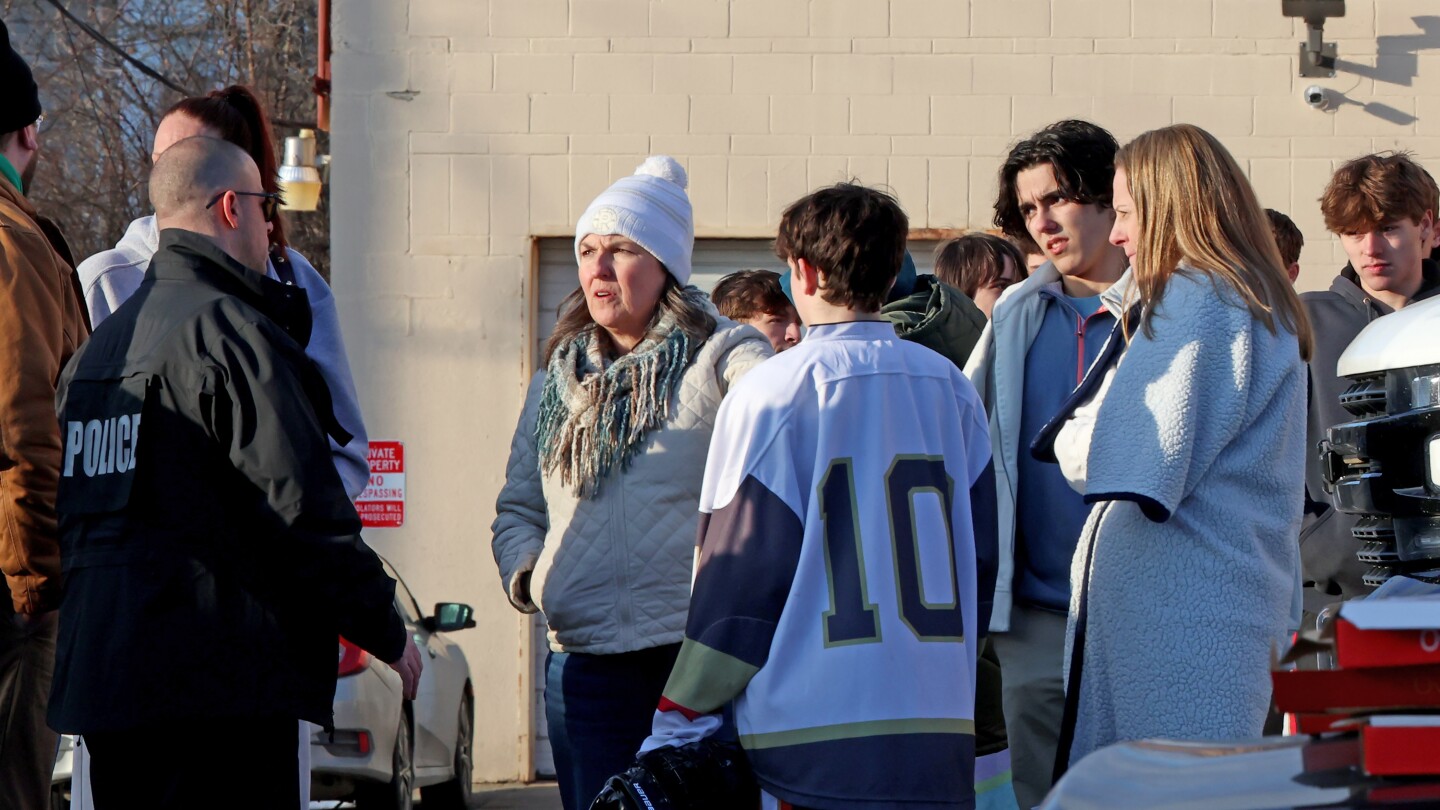
Good Samaritan Credited in Swift End to Pawtucket High School Hockey Tragedy
The quiet Monday afternoon at the Dennis M. Lynch Arena in Pawtucket, Rhode Island, was shattered by an unthinkable act of violence, transforming a routine high school hockey game into a scene of profound tragedy. The incident, which has become a focal point of news related to the Pawtucket Shooting Today, saw two lives tragically cut short and three others critically injured. However, amidst the horror, a beacon of courage emerged: a courageous Good Samaritan whose swift intervention is credited with preventing further loss of life and bringing a rapid, albeit sorrowful, end to the unfolding nightmare. This article delves into the details of the Pawtucket tragedy, the heroism displayed, and the broader implications for community safety and healing.
The Horrific Events Unfold at Dennis M. Lynch Arena
What began as an anticipated Senior Night for high school hockey players and their families quickly devolved into chaos. On Monday, police confirmed that Robert Dorgan, also identified by authorities as Roberta Esposito, born in 1969, opened fire on members of his family who were attending the game. The incident, described by Pawtucket Police Chief Tina Goncalves as a "targeted" family dispute, resulted in the immediate deaths of two individuals and critical injuries to three others. The shooter subsequently died of an apparent self-inflicted gunshot wound, bringing the total fatalities to three, including the perpetrator. The shocking nature of the event reverberated far beyond the rink, impacting students, parents, and the wider Pawtucket community. For more details on the initial investigation, you can read our related report: Pawtucket Hockey Shooting: Two Killed, Three Injured in Targeted Family Dispute.
Understanding the Shooter's Identity and Motive
Chief Goncalves clarified that the shooter, Robert Dorgan/Roberta Esposito, was present at the arena to watch a family member participate in the game. This detail underscores the deeply personal and tragic nature of the attack, ruling out random violence and pointing instead to a pre-existing domestic conflict that escalated to an unimaginable degree. While the specific grievances remain undisclosed by authorities, the incident serves as a stark reminder of how unresolved family disputes can sometimes lead to devastating consequences, particularly when combined with access to firearms. The victims, whose identities have not been publicly released out of respect for their families, were members of the shooter's own family, making the act even more harrowing for those who witnessed it.
The Unsung Hero: Good Samaritan's Crucial Intervention
Amidst the terror and confusion, a crucial act of bravery played out, profoundly altering the trajectory of the tragic event. Pawtucket Police Chief Tina Goncalves specifically highlighted the intervention of a Good Samaritan, stating their actions "interjected in this scene, and that's probably what led to a swift end of this tragic event." While the identity and specific actions of this individual have not been publicly detailed, their courage is undeniable. This person's willingness to step into extreme danger likely disrupted the shooter's actions, potentially saving additional lives and minimizing further casualties. The rapid conclusion to the violence, directly attributed to this heroic intervention, stands as a testament to the power of human courage in the face of unimaginable evil.
The Impact of Immediate Action in Crisis
The Good Samaritan's intervention in Pawtucket underscores a vital principle in active threat situations: immediate action, even in the face of overwhelming danger, can be a game-changer. Whether it involves creating a distraction, attempting to disarm an assailant, or simply drawing attention away, such acts can buy precious seconds or minutes for victims to escape and for law enforcement to arrive. In the moment of crisis, every second counts, and the presence of mind to act, rather than freeze, can be the difference between more extensive tragedy and a more contained outcome. This selfless act serves as a powerful testament to the inherent human capacity for courage and compassion, even in the darkest of times, reminding us that ordinary individuals can perform extraordinary deeds.
Navigating the Aftermath: Community Response and Healing
The wake of the Pawtucket shooting has left a community reeling, grappling with grief, shock, and the profound trauma of witnessing such an event. High school sports events are traditionally spaces for joy, camaraderie, and community building. For such a space to become a site of violence shatters a sense of security and innocence. Local schools, including North Providence High, whose senior's family was targeted, have mobilized support systems, offering counseling services to students, faculty, and staff affected by the incident. The broader Pawtucket and Rhode Island communities have rallied, extending condolences and support to the victims' families, demonstrating a powerful collective resolve to heal.
Supporting Victims and Witnesses in the Long Term
Dealing with the aftermath of a public tragedy requires a multi-faceted approach focused on long-term support:
- Trauma-Informed Care: Providing access to mental health professionals specializing in trauma is crucial for both direct victims and those who witnessed the event, helping them process their experiences in a safe and structured environment.
- Community Gatherings: Organizing vigils, remembrance events, or facilitated group discussions can help the community process grief collectively, reinforce a sense of solidarity, and allow for shared mourning.
- School Support: Schools must continue to offer ongoing counseling, grief resources, and flexible academic support for students struggling to cope with the emotional toll, recognizing that healing is not a linear process.
- Resource Centers: Establishing easily accessible centers that provide information on grief counseling, legal aid, victim compensation, and support groups can be invaluable for affected families and individuals.
Rethinking Venue Security and Public Safety
Tragedies like the one at Dennis M. Lynch Arena inevitably spark conversations about security measures in public venues. While it's challenging to completely prevent acts of targeted violence, especially those stemming from deeply personal disputes, there are always opportunities to review and enhance safety protocols. These discussions often include: increased security presence, controlled entry points, clear emergency exits, and rapid communication systems. The goal is to balance accessibility with necessary precautions to ensure that public spaces, particularly those frequented by families and children, remain as safe as possible. Venues may also consider training staff in recognizing suspicious behavior and active shooter response. For more context on the shooter and the immediate aftermath, see: Pawtucket Arena Shooting: Suspect Robert Dorgan Dead in Tragic Family Event.
Preventing Future Tragedies: Insights and Resources
While the Pawtucket shooting was a targeted family incident, it highlights broader societal challenges related to conflict resolution, mental health, and firearm safety. Understanding the factors that can lead to such extreme violence is crucial for prevention efforts, encouraging a societal focus on early intervention and support systems.
Recognizing Warning Signs in Family Disputes
Family disputes, while common, can sometimes escalate dangerously. It's important for individuals, friends, and family members to be aware of potential warning signs that suggest a conflict may turn violent:
- Escalating Verbal Abuse: Frequent and intense arguments, threats, or demeaning language that becomes increasingly aggressive.
- Isolation: One party attempting to cut off the other from their support network, creating dependency and control.
- Threats of Violence: Any explicit or implicit threats against oneself, others, or property, whether direct or indirect.
- Obsessive Behavior: Persistent harassment, stalking, an inability to let go of a grievance, or a desire for revenge.
- Substance Abuse or Mental Health Crises: These can exacerbate existing tensions, impair judgment, and lower inhibitions, making violent outbursts more likely.
If you or someone you know is experiencing or witnessing such signs, seeking help immediately is paramount. Resources like domestic violence hotlines, family counseling services, and mental health professionals can provide critical support and intervention, potentially preventing a crisis from turning into a tragedy.
The Critical Role of Mental Health Support
Mental health plays a significant, though often complex, role in incidents of violence. Access to robust mental health services, early intervention, and destigmatizing seeking help are vital components of a preventative strategy. Ensuring that individuals struggling with severe emotional distress, anger management issues, paranoia, or other mental health challenges have avenues for professional support can help de-escalate potential crises before they turn violent. Public awareness campaigns emphasizing that it's okay to ask for help can foster a culture where mental health issues are addressed proactively rather than ignored until they reach a breaking point.
Responsible Firearm Ownership and Safety
In cases involving firearms, responsible gun ownership and secure storage practices are paramount. This includes understanding and adhering to state and federal laws, participating in safety training, and ensuring that firearms are stored securely, unloaded, and separate from ammunition. Crucially, firearms should be kept away from individuals who might pose a risk to themselves or others, particularly in times of heightened emotional distress, conflict, or mental health crisis. These measures are not just about compliance, but about preventing avoidable tragedies.
The Pawtucket High School hockey tragedy is a profound reminder of how quickly peace can be shattered by an act of violence, particularly one rooted in deep personal conflict. The incident, a significant event in the ongoing news about the Pawtucket Shooting Today, has left an indelible mark on a community grappling with loss and trauma. Yet, it also brought forth the extraordinary courage of a Good Samaritan, whose quick thinking and bravery were instrumental in preventing an even greater catastrophe. As Pawtucket begins its healing journey, the focus must remain on supporting the victims, strengthening community bonds, enhancing safety measures, and fostering environments where disputes can be resolved peacefully, ensuring that such a tragedy is never repeated.