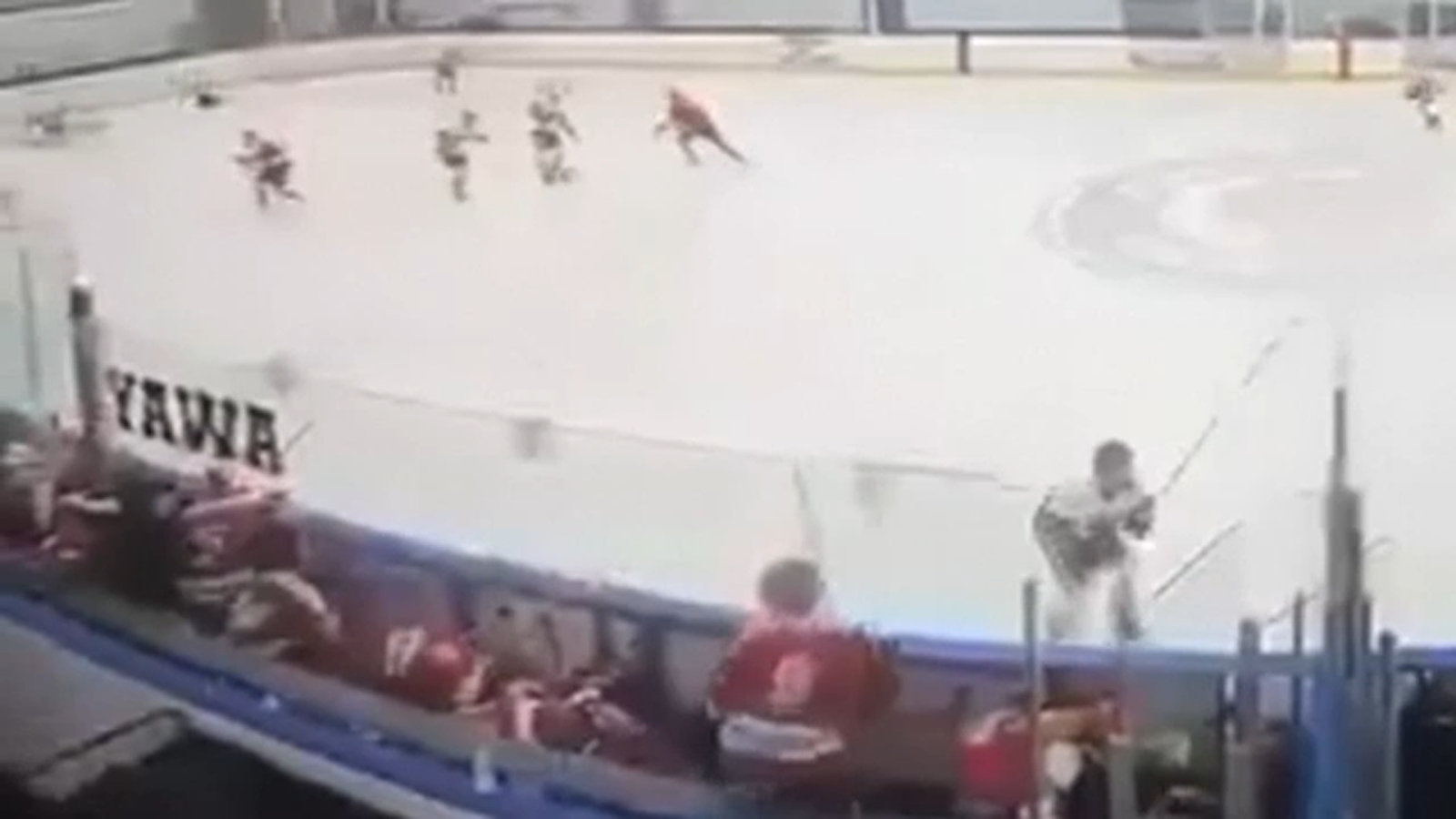
Pawtucket Arena Shooting: Suspect Robert Dorgan Dead in Tragic Family Event
Pawtucket, Rhode Island is grappling with the aftermath of a shocking and devastating act of violence that unfolded at the Dennis M. Lynch Arena. What began as a high school senior night hockey game, a celebratory event for young athletes and their families, descended into an unimaginable tragedy. Authorities have confirmed that suspect Robert Dorgan, also known as Roberta Dorgan or Roberta Esposito, is dead after shooting five members of a student's family, killing two and critically injuring three others, before turning the gun on themselves. This horrific incident, described by police as a "targeted" family dispute, has sent ripples of shock and sorrow through the community, marking a somber chapter in the city's history.
The incident, which unfolded Monday afternoon, has left a community in mourning and a nation once again questioning the prevalence of violence. For those seeking immediate information on the Pawtucket Hockey Shooting: Two Killed, Three Injured in Targeted Family Dispute, the details emerging paint a picture of a deeply personal conflict spiraling into a public nightmare.
The Unfolding Tragedy at Dennis M. Lynch Arena
The serene atmosphere of a high school hockey game was shattered on Monday afternoon when gunfire erupted at the Dennis M. Lynch Arena. The event, which should have been a joyful "Senior Night" celebration for North Providence High School athletes and their families, quickly transformed into a scene of chaos and horror. Police confirmed that Robert Dorgan, born in 1969, attended the game where a family member was playing, indicating a premeditated presence at the venue.
The rapid escalation of violence left two individuals dead at the scene, with three others critically injured and immediately hospitalized. The victims, whose identities have not been publicly disclosed by authorities out of respect for their privacy and the ongoing investigation, were all members of the same family. This targeted nature of the attack underscores the deep-seated issues that led to such a catastrophic outcome. The fact that such a violent act could occur in a space typically associated with community, youth sports, and family gatherings has profoundly shaken Pawtucket residents and beyond.
The swift response of law enforcement and emergency medical services was crucial in managing the immediate aftermath. Witnesses described a scene of panic and confusion as the shots rang out, a stark contrast to the usual cheers and excitement of a hockey match. The arena, located approximately 45 miles south of Boston, became the epicenter of a local tragedy with national implications, highlighting the vulnerability of public spaces to acts of interpersonal violence.
Robert Dorgan: A Family Dispute Turns Fatal
At the heart of the Pawtucket shooting today is the figure of Robert Dorgan. Pawtucket Police Chief Tina Goncalves identified Dorgan as the shooter, revealing that Dorgan also used the names Roberta Dorgan and Roberta Esposito. This detail suggests a complex personal history that may be relevant to the underlying family dispute. While authorities have been tight-lipped about the specifics of the family conflict, they have unequivocally stated that the shooting was a "targeted" incident, ruling out a random act of violence.
Understanding the dynamics of family disputes that can escalate to such extreme violence is crucial, though often challenging. Unresolved conflicts, long-standing resentments, and perceived grievances can fester over time, sometimes leading to devastating consequences. In cases like this, where a family member targets other relatives, the emotional toll on surviving family members and the wider community is immense. It forces a painful introspection into the nature of relationships and the unseen struggles individuals may face.
Chief Goncalves declined to provide specific information about the victims, emphasizing the need to protect their privacy during this incredibly difficult time. This decision underscores the deeply personal and private nature of the tragedy, even as it unfolded in a very public setting. The focus remains on supporting the injured and grieving the deceased, while also piecing together the events that led to Dorgan's desperate act.
Recognizing Warning Signs in Family Conflicts
While the specifics of Dorgan's situation remain private, tragic incidents like this often prompt discussions about recognizing and addressing escalating family disputes. Here are some general points to consider:
- Escalating Arguments: Frequent, intense arguments that become verbally abusive or involve threats.
- Isolation: One party attempting to isolate others from family or friends, creating dependency.
- Obsession and Fixation: An individual showing an unhealthy preoccupation with a particular grievance or perceived wrongdoing.
- Increased Aggression: A sudden or gradual increase in aggressive behavior, even if not physical initially.
- Threats of Violence: Any direct or indirect threats of harm to oneself or others should be taken seriously.
- Access to Weapons: Awareness if an individual exhibiting these signs has access to firearms or other dangerous weapons.
It's important for individuals experiencing or witnessing such dynamics to seek help from trusted friends, family, or professional counselors before situations reach a breaking point.
The Critical Role of a Good Samaritan and Immediate Aftermath
Amidst the horror and chaos of the Pawtucket shooting today, a glimmer of courage emerged in the form of a Good Samaritan. Police Chief Goncalves specifically highlighted the intervention of an unnamed individual who "interjected in this scene." This brave act, she noted, "probably what led to a swift end of this tragic event." While the exact nature of their intervention has not been detailed, it strongly suggests that their actions may have prevented further casualties or helped to contain the situation, potentially leading to Dorgan's self-inflicted fatal wound.
The role of Good Samaritans in active shooter situations is often critical, though inherently dangerous. Their quick thinking and willingness to act can disrupt the attacker's plan, create diversions, or even directly confront the threat, buying precious time for others to escape and for law enforcement to arrive. The fact that a civilian stepped in during such a terrifying moment speaks volumes about human bravery and the innate desire to protect others. This individual's heroism is a testament to the resilience found even in the darkest moments. For more details on this courageous act, see Good Samaritan Credited in Swift End to Pawtucket High School Hockey Tragedy.
Following the immediate cessation of the threat, emergency services moved quickly to secure the scene, provide medical attention to the injured, and manage the psychological impact on the many witnesses. The arena was promptly locked down, and attendees were safely evacuated. The rapid response from various law enforcement agencies, including local Pawtucket police, state police, and federal investigators, was critical in ensuring the safety of the wider community and commencing the complex investigation into the motives and circumstances surrounding the shooting.
Addressing the Scars: Community Response and Seeking Support
The tragedy at the Dennis M. Lynch Arena leaves deep scars on the Pawtucket community. The psychological impact on the North Providence High School students, athletes, coaches, parents, and other spectators who witnessed or were near the incident cannot be overstated. Events of this nature can lead to lasting trauma, anxiety, and grief. It is imperative that comprehensive mental health resources are made available and easily accessible to all affected individuals.
Coping with Trauma and Grief
For those impacted by such a violent event, the path to healing is long and complex. Here are some practical steps and considerations:
- Seek Professional Help: Therapists, counselors, and support groups specializing in trauma can provide invaluable guidance. Schools and community centers often have resources or can direct individuals to them.
- Allow Yourself to Grieve: There's no right or wrong way to grieve. Acknowledge your feelings, whether they are sadness, anger, fear, or confusion.
- Maintain Routines (Where Possible): Familiar routines can provide a sense of stability and normalcy in a chaotic time.
- Connect with Others: Sharing experiences with trusted friends, family, or support groups can help process emotions and reduce feelings of isolation.
- Limit Media Exposure: While staying informed is important, excessive consumption of news about the tragedy can exacerbate anxiety and re-traumatize.
- Prioritize Self-Care: Ensure adequate sleep, nutrition, and gentle physical activity to support overall well-being.
The incident also sparks broader conversations about gun violence, mental health, and conflict resolution in society. Communities are often forced to re-evaluate safety protocols in public venues and to consider how to identify and address potential threats before they materialize. The loss of life in the Pawtucket shooting today serves as a stark reminder of the importance of vigilance, compassion, and proactive intervention in situations of escalating conflict.
Conclusion
The Pawtucket arena shooting is a profound tragedy that has claimed lives and deeply wounded a community. The events involving Robert Dorgan and the targeted family dispute at the Dennis M. Lynch Arena have left an indelible mark on Rhode Island. As the community mourns the deceased and supports the injured, there is a collective effort to understand how such a horrific event could occur. The courage of the Good Samaritan stands out as a beacon of hope amidst the despair, demonstrating the power of individual action in crisis. Moving forward, Pawtucket must focus on healing, providing robust mental health support for those affected, and engaging in crucial conversations about preventing future violence. The memory of this tragic day will undoubtedly fuel a renewed commitment to safety, support, and community well-being.